by Helena Prins, Advisor, Teaching + Learning
Over the next 12 days, we’re unwrapping books that inspire, challenge, and celebrate post-secondary teaching.
As the year winds down, it’s a natural time for reflection, renewal, and a little inspiration. We are sharing a curated collection of books that have shaped conversations in teaching and learning – each one a “gift” offering fresh ideas, practical insights, and thoughtful perspectives for educators and education developers across B.C.’s post-secondary landscape.
Whether you’re hoping to spark new approaches in your classroom, deepen your understanding of learners, or simply enjoy some professional reading over the winter break, we hope these books bring both reflection and joy to your teaching practice.
Please keep checking this blog post and our LinkedIn page between December 8-23 to unwrap each day’s gift.
Day 1 – December 8
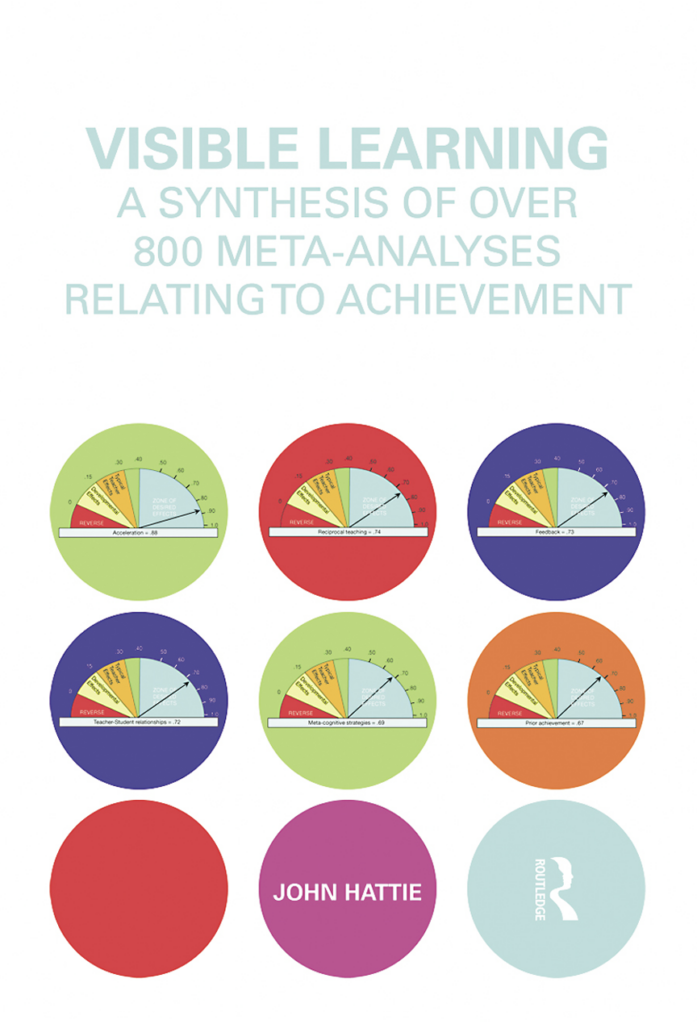
Visible Learning: A Synthesis of Over 800 Meta-Analyses Relating to Achievement by John A.C Hattie is a gift to educators because it is, perhaps, the most extensive and exhaustive meta-analysis of research about what works in education. As Hattie points out in his introduction, “We have a rich educational research base, but rarely is it used by teachers, and rarely does it lead to policy changes that affect the nature of teaching.”
Even if you don’t do a deep dive into all the results and simply focus on the major findings (Chapter 3), you will come away with a solid foundation as to what the research evidence says really matters when it comes to teaching and learning practice.
—Clint Lalonde, Interim Executive Director, BCcampus
Day 2 – December 9
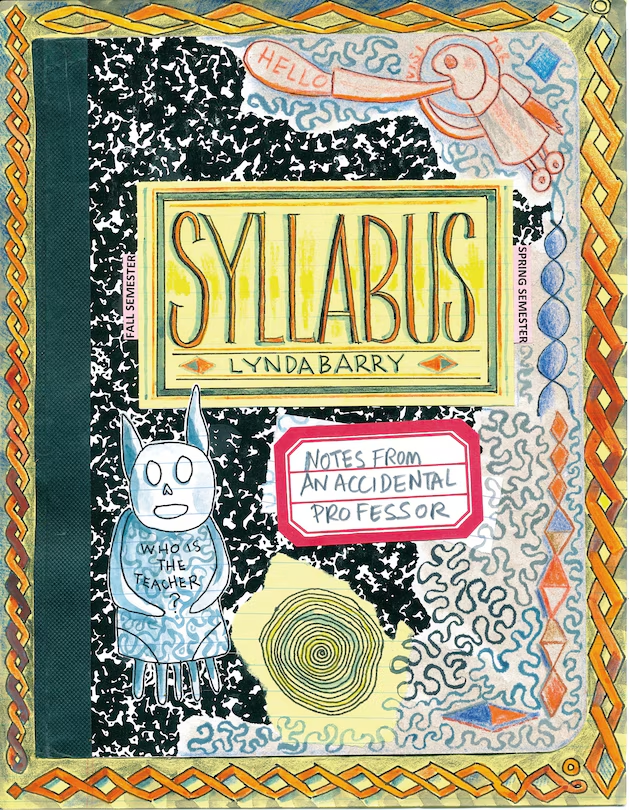
Syllabus: Notes from an Accidental Professor by Lynda Barry is a gift to educators in part because it is so unexpected! At first, you wonder if it’s a graphic novel, or a comic, or maybe you picked up the wrong book? It is full of doodles and reflections on teaching, and colours and laughs. It invites us to be relentlessly curious about students, our teaching, and what works. It reminds us that it can be worthwhile to create things by hand, to struggle through the creative process.
This book is 11 years old, but I looked at it again recently and love it more/again in light of the ubiquity of AI! Barry asks lots of questions, including “How far can a pen, a composition notebook, and a burning question take you?”
– Tracy Roberts, Director, Learning and Teaching and doodling enthusiast, BCcampus
Day 3 – December 10
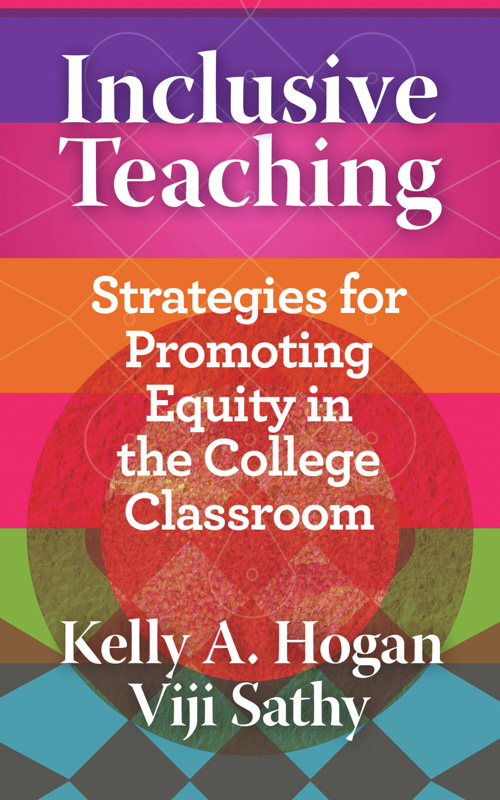
Inclusive Teaching: Strategies for Promoting Equity in the College Classroom by Kelly A. Hogan and Viji Sathy is a gift to educators because it shows us that a high degree of structure in course design and student interactions is the key to more inclusive teaching.
My favourite quote from the book is that a “culture of inclusion centres on a genuine interest and care for students’ success, confidence in their ability, and treating all students with dignity and respect,” (p. 41).
– Britt Dzioba, Advisor, Learning and Teaching, BCcampus
Day 4 – December 11
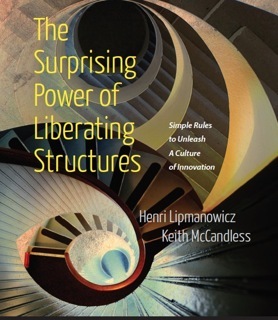
The Surprising Power of Liberating Structures: Simple Rules to Unleash a Culture of Innovation by Henri Lipmanowicz and Keith McCandless is a gift to educators and facilitators because it challenges us to design group learning to embrace ideas as they emerge and are generated from creative engagement, and then to look for what’s possible and actionable.
My favourite quote from the book is: “Liberating Structures create the enabling conditions for people to contribute, to ask for help, to develop skills in listening and paraphrasing, and to build trust and safety, while valuing (rather celebrating) diversity and difference,” Dr. Arvind Singhal, professor and avid practitioner of Liberating Structures, (p.143).
– Leva Lee, Learning and Teaching Leader
Day 5 – December 12
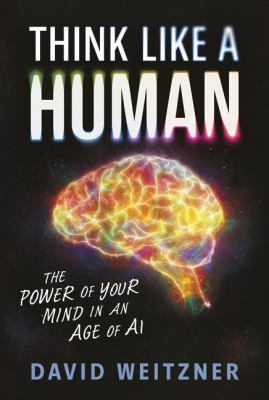
“Think Like Human: The Power of Your Mind in an age of AI” by David Weitzner, Canadian author and professor at York University, is a gift to educators this year because it inspires us all to reimagine and celebrate what makes us human in every act of thinking, rather than handing over our decision making and skills to computers.
Weitzner introduces the concept of “artful intelligence” through BEAM thinking – Body, Environment, Action, Mind – a practice that honours engaging all the dimensions that AI does not have: our hands, eyes, ears, hearts, and guts. While not a practical teaching guide with concrete steps for educators, reading the book is a way to find hope and reignite our love for teaching and working with others at a time when AI hype runs high.
I’m personally drawn to Weitzner’s story-driven style with poetic chapter titles, such as “Mindless Robots Can’t Be Heroes,” “Blue Skies are Better than the Metaverse,” or “Nothing is Inevitable”. One of my favourite passages is this reminder, “If your brain is telling you that you can’t outthink the algorithm, check in with your heart and gut. If you can’t shake the hopeless feeling of inevitability, scan your feet, hands, ears, and eyes… There is always a way to redirect that energy into the physical environment, creative tinkering, and leaving a mark,” (p. 255) and, “When we think like the humans we are, we can outsmart AI and resist the mindless future of algorithmic control Big Tech dreams of,” (p. 262).
– Gwen Nguyen, Advisor, Learning and Teaching, BCcampus
Day 6 – December 15
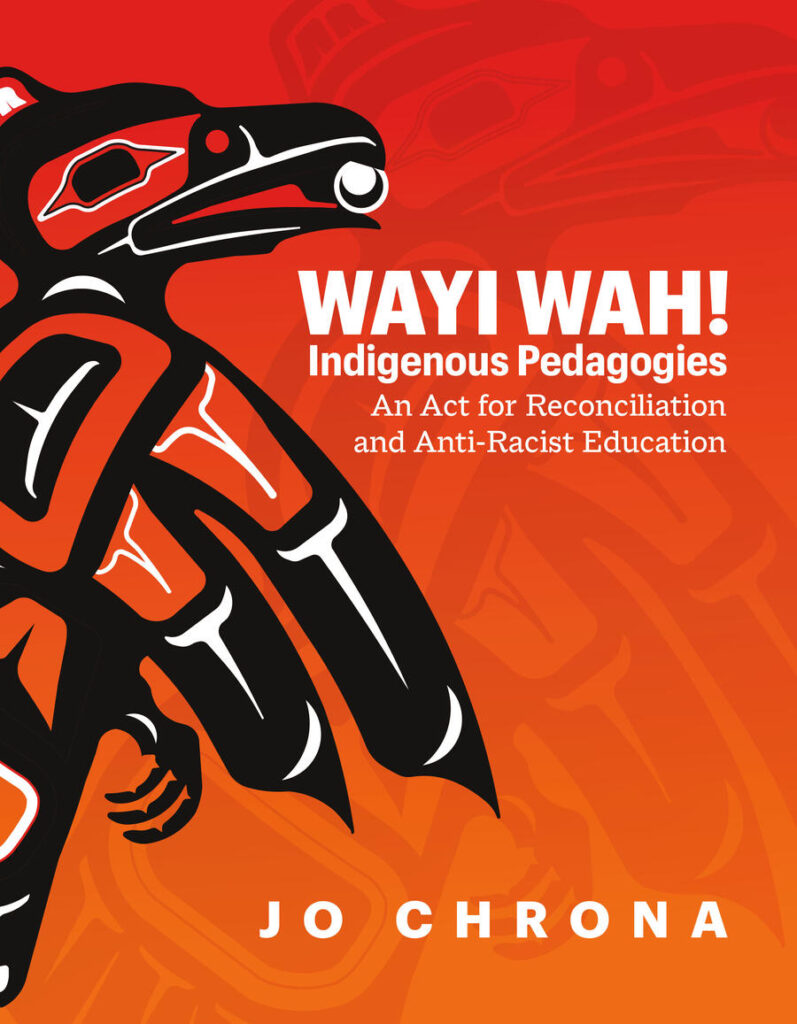
Wayi Wah! Indigenous Pedagogies: An Act for Reconciliation and Anti-Racist Education by Jo Chrona is a gift to educators because the author supports the reader in making sense of large, complex, and sometimes uncomfortable concepts by translating them into actionable and accessible pedagogies with which everyone can engage.
Through sharing her own experiences and encouraging readers to reflect on their own thoughts and feelings, Chrona invites us all to approach this work with intention and thoughtfulness.
My favourite quote from the book comes from a story she tells in chapter 2 and words I often reflect as a reminder of the importance of Indigenous-specific education here in Canada: “I reminded the whole group that this (the land we now call British Columbia) is the only place in the world where the language of the First Nations of this place exist, where the literatures of Indigenous Peoples spring from, where the knowledge systems of First Nations here are rooted in the land. If their languages cease to be spoken here, if the knowledges and perspectives are not taught and learned here, they do not exist elsewhere in the world,” (p. 26).
– Rebecca Shortt, Projects, BCcampus
Day 7 – December 16
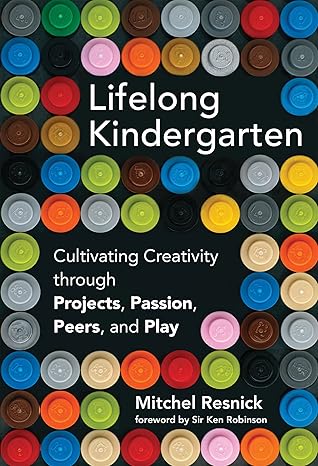
Lifelong Kindergarten: Cultivating Creativity through Projects, Passion, Peers, and Play by Mitchel Resnick is a gift to educators because it inspires us to dig into play and exploration traditionally used to teach Kindergarteners and extend it to adult learning.
By drawing on student passions, MIT shows how projects can foster imagination, creation, play, and reflection to help us stretch our creative problem-solving to real-world challenges.
– Selina McGinnis, Product and User Experience Designer, BCcampus
Day 8 – December 17
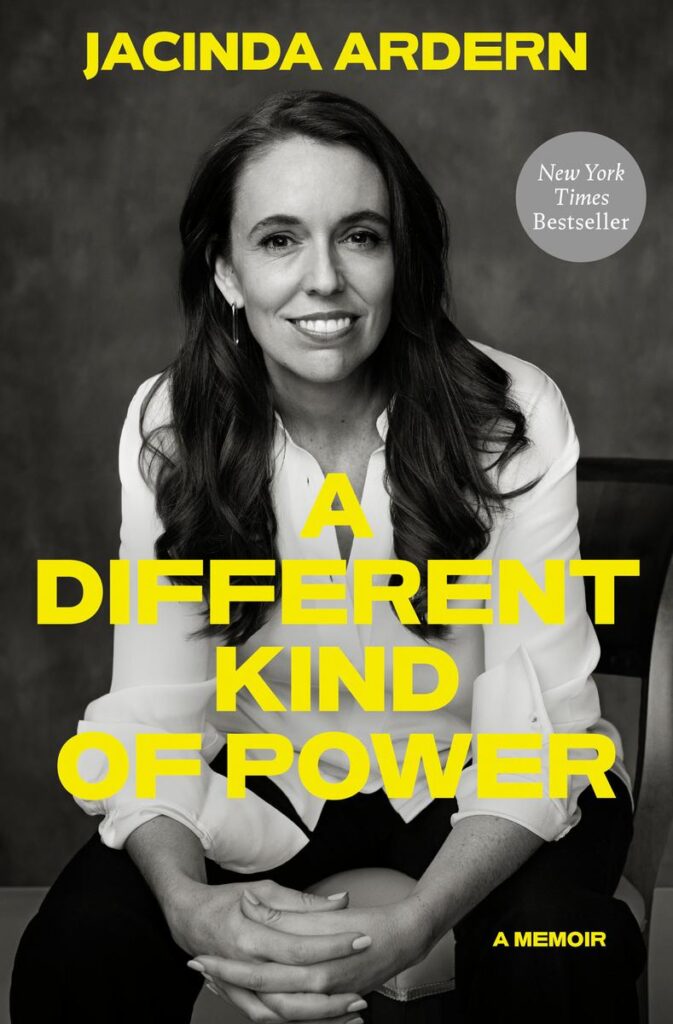
A Different Kind of Power by Jacinda Ardern is a gift to educators because her memoir focuses on leadership qualities that matter just as much in the classroom as in politics. She offers insight into leadership grounded in empathy, resilience, and ethical decision-making. It’s a thoughtful, engaging read that connects leadership theory to everyday practice in education.
My favourite quote from the book is: “The traits you think disqualify you may be what make you a great leader. If you have impostor syndrome or question yourself, channel that. It will help you. You will read more, seek out advice, and humble yourself to situations that require humility to be conquered. If you’re anxious, and overthink everything, if you can imagine the worst-case scenario always, channel that too. It will mean you are ready when the most challenging days arrive. And if you are thin-skinned and sensitive, if criticism cuts you in two, that is not weakness, it’s empathy. In fact, all of the traits that you believe are flaws will come to be your strengths. They will give you a different kind of power, and make you a leader that this world, with all its turmoil, might just need.”
– Brita Harrison Brooke, Communication & Engagement, BCcampus
Day 9 – December 18
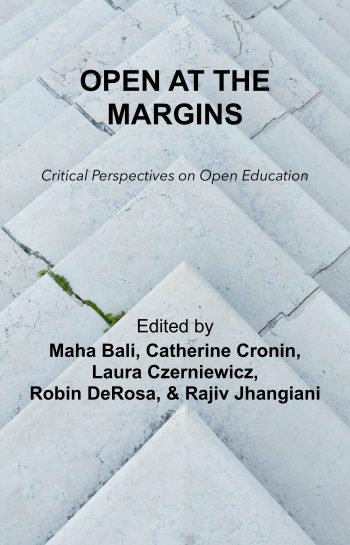
Open at the Margins: Critical Perspectives on Open Education edited by Maha Bali, Catherine Cronin, Laura Czerniewicz, Robin DeRosa, and Rajiv S. Jhangiani is a gift to educators because it it takes open education, a framework and philosophy that aims to increase access to knowledge and learning, and pushes it further to ensure open education is equitably serving students, educators, and communities.
The editors argue for the importance of epistemic diversity. They write, “Open education is at a critical juncture now. It has moved on from its northern roots and is increasingly being challenged from its own periphery. At the same time, it finds itself marginalised and under threat in an educational sector infiltrated by corporate interests. It is our contention that, rather than bunkering down, becoming blinkered or even complacent, the voices from the periphery should be amplified.”
A few of my favourite essays in this collection include, “From Open to Justice” by Audrey Watters and “Openness in Whose Interest?” by Maha Bali.
– Josie Gray, Interim Director, Open Education, BCcampus
Day 10 – December 19
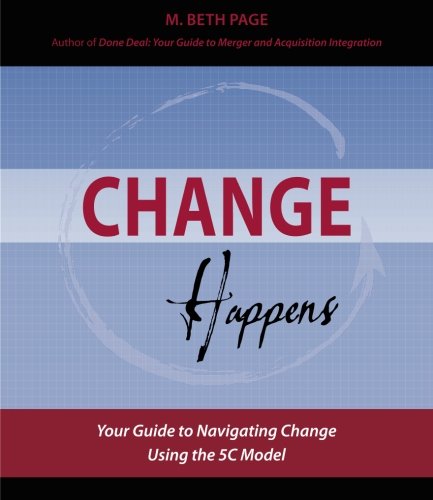
Change Happens: Your Guide to Navigating Change Using the 5C Model by Beth Page is a gift to educators because Page provides us with five key pillars (5Cs) for managing change, and she also demonstrates the impact when those 5Cs are not done effectively.
Given how much change the B.C. post-secondary system is navigating, this book provides academic leaders and educators an easy model to follow when managing change.
– Robynne Devine, Senior Project Manager, Project Management Office, BCcampus
Day 11 – December 22
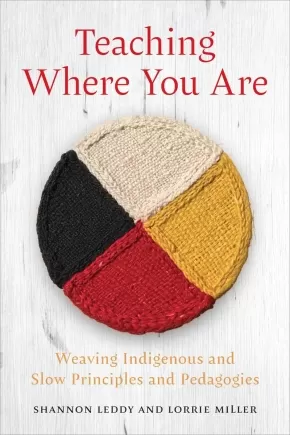
Teaching Where You Are: Weaving Indigenous and Slow Principles and Pedagogies is a wonderful gift to non-Indigenous educators as it guides us to work in good ways with Indigenous students. The book introduced me to the concept of slow pedagogy, and brings insights into how we, through slow ways, can challenge colonizing notions of time and reconnect with our embodied self. They write, “Indigenous and Slow ways (storytelling, map-making, poetry, and visual art, traditional craft) can be integrated into a lived pedagogy, one with hope, intention, humility and vision,” (p. 9). This book offered the opportunity to be both reflective and practical in my approach to decolonizing my facilitation practice.
– Helena Prins, Advisor, Learning and Teaching, BCcampus
Day 12 – December 23
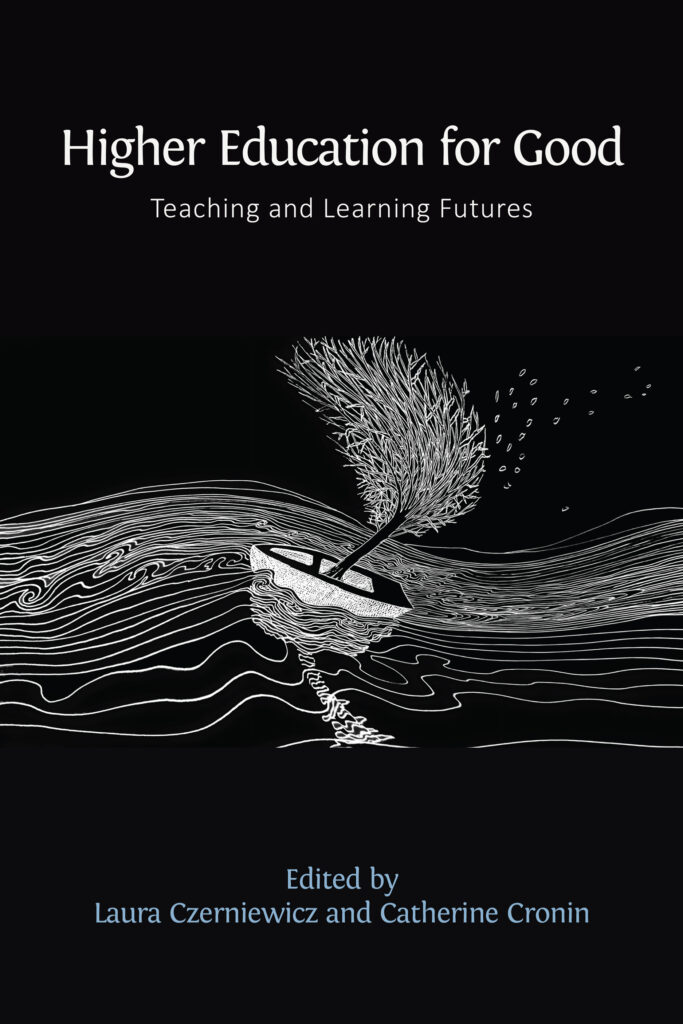
“Higher Education for Good: Teaching and Learning Futures,” edited by Laura Czerniewicz and Catherine Cronin is a gift to educators because it imagines futures of post-secondary education grounded in hope, ethics, and critical reflection.
Chapter authors explore topics like infrastructures of care, decolonization, and procurement, and write from a range of contexts.
A chapter that has stuck with me is, “Writing from the wreckage: Austerity and the public university,” by Robin DeRosa, where she writes, “across many parts of the world, there is a shift from public infrastructure to private. With this shift comes a shifting of funding away from direct instruction, increasing inequities, and a troubling confusion about the role and value of “public” institutions worldwide.”
– Josie Gray, Interim Director, Open Education, BCcampus